Inspiring research. Changing lives.
Be a hero.
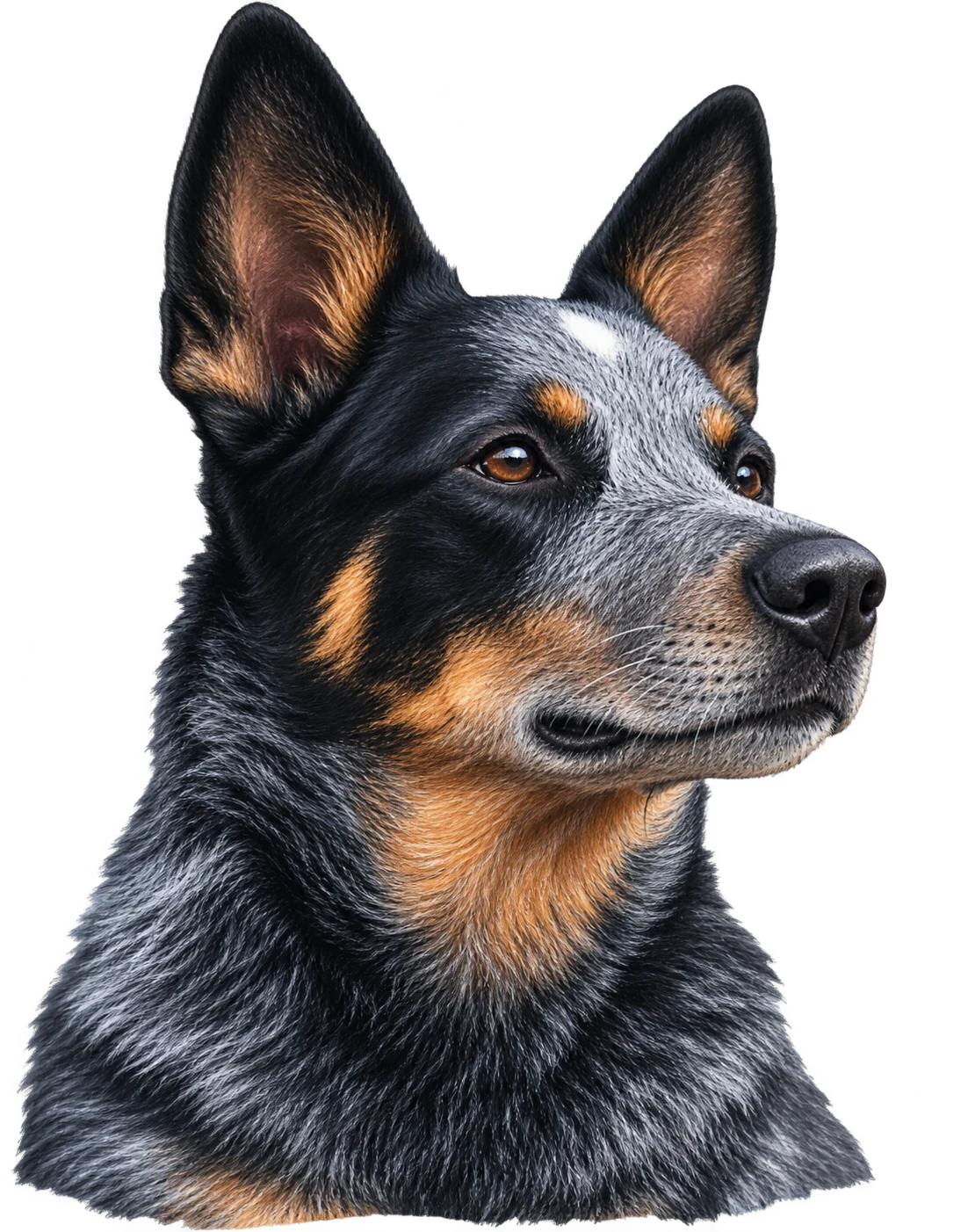
Help fund the research, clinical studies and emerging technologies working to give dogs with nasal tumors a second chance. Our mission is inspired by Duke and every dog we love.
of canine cancers arise in the nasal passages and sinuses.
of canine sinonasal tumors are malignant. Adenocarcinoma is the most common type.
typical survival without treatment.
typical median survival with radiation therapy. Many dogs live longer.
for FLASH radiation to deliver a dose that takes minutes with conventional machines.
The canine nasal cancer
Moonshot
We believe this is a solvable problem. By bringing together veterinary oncology, comparative medicine and frontier technology, we are working toward a future where canine nasal cancer is prevented, found earlier, treated better and, in the end, eradicated.
Prevent
Understand the environmental and biological causes, starting with smoke and indoor air exposure.
Detect
Find it earlier, when a nosebleed or sneeze is still the only sign, and make diagnosis more accessible.
Attack
Get today's best treatments to more dogs, and test the emerging ones.
Protect
Destroy the tumor while sparing the eyes, brain and healthy tissue around it.
Cure
Pursue the science that puts it into remission and keeps it from coming back.
Where your gift goes
Proton FLASH research
FLASH radiation delivers a full treatment dose in a fraction of a second. Early studies suggest it can destroy tumors while doing less damage to the healthy tissue around them. For a tumor that sits millimeters from a dog's eyes and brain, that difference matters.
We support FLASH research in collaboration with the University of Pennsylvania School of Veterinary Medicine and its partners in radiation oncology.

Penn Vet is one of the world's leading schools of veterinary medicine and home to Ryan Veterinary Hospital. Gifts to the fund support frontier research and clinical work at the University of Pennsylvania School of Veterinary Medicine.
About our research partnership →One Health
What helps dogs helps people.
Dogs develop cancer naturally, in homes like ours, breathing the same air. Their tumors behave much like human cancers, in ways laboratory mice can't match.
That makes veterinary clinical trials a fast route to answers for both species. A dog gets access to a promising treatment. Researchers get real-world data that can help human patients with head and neck cancer.
How One Health trials work →Need help now?
Answers for families
If your own dog has just been diagnosed, start here: what the disease is, what to ask, and where to find care.
The disease
What canine nasal adenocarcinoma is, why it hides so well, and a short video explainer.
Learn more →Just diagnosed?
Our quick reference guide covers symptoms, diagnosis, treatment options and what to expect.
Get the guide →Find SRS/SRT care
A map of 19 veterinary hospitals that offer stereotactic radiation for nasal tumors.
Open the map →Research library
Key papers on nasal carcinoma, plus where to find open clinical trials.
Browse research →Frontier science
Histotripsy, focused ultrasound, sonodynamic therapy, H-FIRE and burst wave lithotripsy.
See what's next →Nutrition & wellness
Diet, supplements, activity and complementary care, each rated by the strength of its evidence.
Read the research →Every gift moves the science forward.
Support Penn Vet's FLASH research for dogs like Duke.